
The Challenge
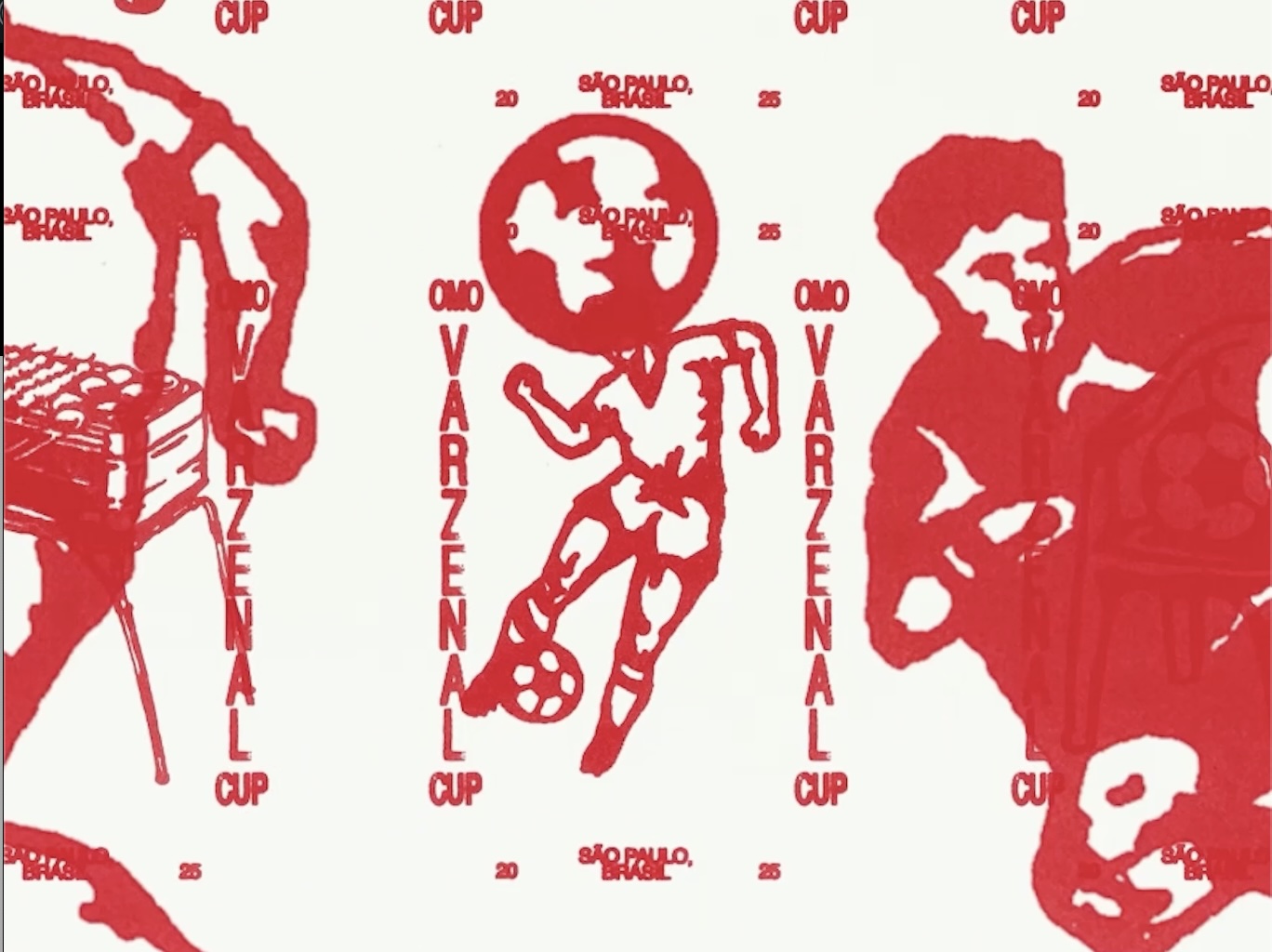
OMO is one of Brazil’s most established brands, with decades of equity built through its Dirt Is Good platform, a 20+ year belief that dirt is a sign of a life fully lived. But over time, that meaning had weakened. While the brand remained strong on functional performance, it was losing relevance on emotional and cultural dimensions. Meaningfulness had stalled, particularly among younger and lower-income audiences, where OMO risked feeling distant from everyday life. At the same time, football culture was shifting. The global game had become increasingly polished, commercialized, and entertainment-led, dominated by elite clubs, global media rights, and curated narratives. This sat in direct tension with OMO’s belief. Because the truest expression of the brand lives in participation, not performance. In the dirt, not the spotlight. That expression exists in Brazil’s várzea, a vast grassroots football culture where communities play on improvised pitches, building teams, identities, and rivalries from the ground up. Within this world, we discovered something unexpected: multiple amateur teams independently calling themselves Arsenal. Not as replicas, but as local interpretations of a global club. This revealed a powerful truth. Football culture doesn’t belong to clubs. It belongs to the communities who recreate it. For OMO, this created an opportunity: to reconnect with culture by turning this hidden expression of fandom into a story the world could watch.
The Solution
Dirt Is Glory uncovered a hidden football culture in Brazil’s várzea, where grassroots teams had independently adopted the name Arsenal. Rather than create a campaign, OMO turned this into an entertainment platform. We brought these teams together for the first time in the OMO Varzenal Cup, documenting their journey through long-form episodic content created with KondZilla, one of the most influential voices in Brazilian favela culture. The winning team was flown to London to play at Arsenal’s Emirates Stadium, transforming a local expression of fandom into a global moment. The story unfolded across YouTube, social platforms, creators, and Arsenal’s own channels, building from local discovery to international recognition. The result was not just branded content, but a sport entertainment property rooted in real communities, reconnecting OMO with culture and turning its belief into something audiences chose to watch and share.